Disturbance and Poa
If you want to grow good Poa annua, be sure to keep the soil pH close to neutral, make sure there is plenty of P and K and Ca in the soil, and be sure to aerify and verticut on a regular schedule. Managing soil pH in the range of 6 to 7, and applying P and K and Ca to “optimum” or “sufficient” levels in the soil, and cultivating on a regular schedule—that also sounds a lot like textbook turfgrass maintenance.
If you want to grow something other than Poa annua, then you want to do something other than textbook maintenance.
I was reminded of that this afternoon when I found myself walking through a meadow and spotting some Agrostis and some Festuca and realizing that in this meadow with virtually no disturbance, there was no Poa annua.
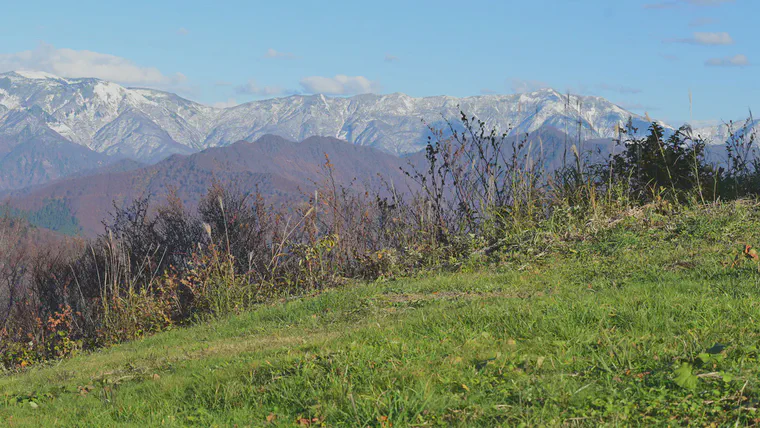
I can find Poa annua in the area but it is in areas with high disturbance. Paths. Parks. A few sidewalk cracks.
See the Competition, stress, and disturbance post for more discussion of this. See also What we talk about when we talk about disturbance.