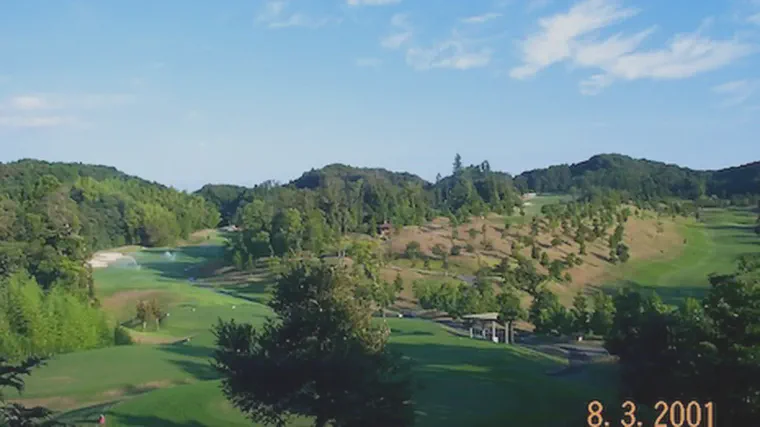
Ten Years Ago on a Golf Course in Japan: part 2
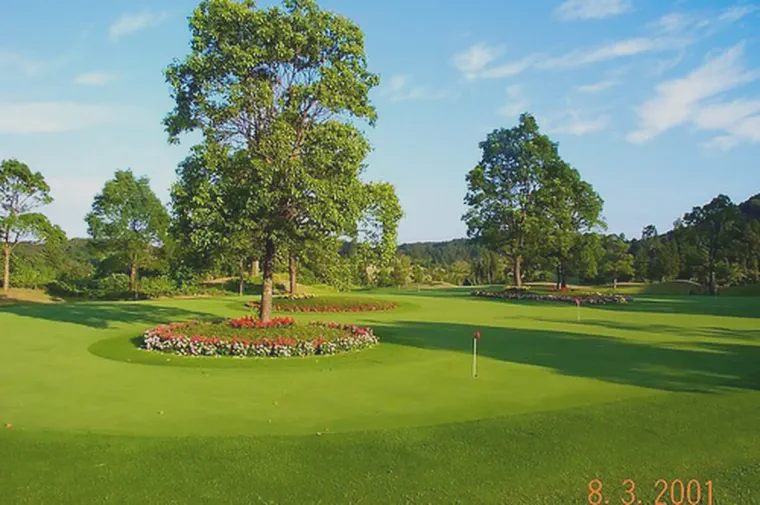
I was the golf course superintendent at Habu CC in Chiba prefecture near Tokyo from September 2000 to August 2001. Ten years later, I’m spending this summer at Japan, partly to study and collect data about turfgrass performance, but also to remember what it is like to be a superintendent. Now halfway through my time at Japan this summer, I’ve come up with a list of three reasons why it is especially difficult to be a golf course superintendent here.
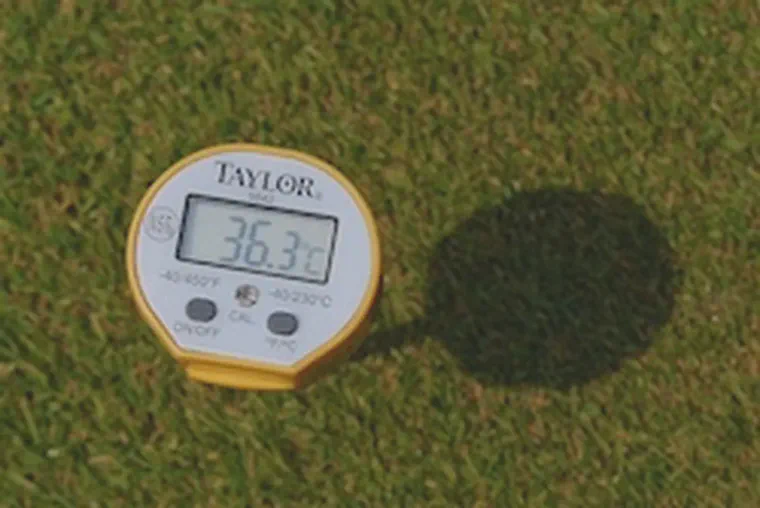
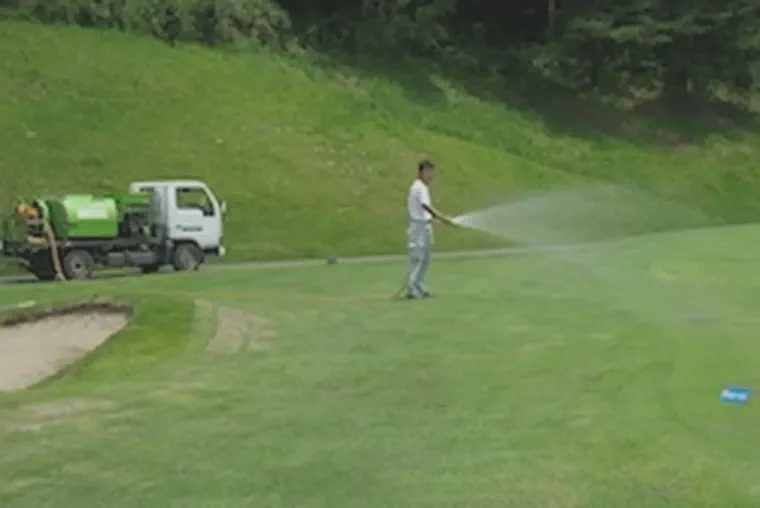
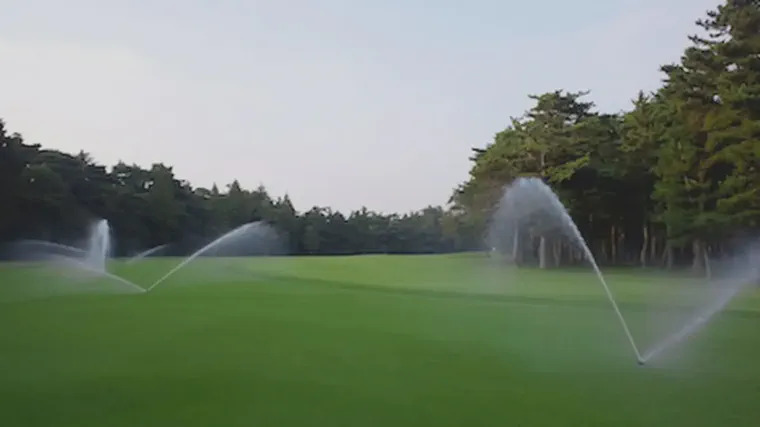
- The hot summer months when the bentgrass struggles to survive and when irrigation water is applied however it can be are also the times when the Zoysia matrella (korai) fairways and Zoysia japonica (noshiba) roughs are growing at their fastest rate, requiring more frequent mowing. With the need for handwatering and also the need for more frequent mowing during the summers, it is especially challenging then, at Japan, to have relatively small crew sizes. Most courses have only ten to fifteeen people working on course maintenance. It is a real struggle to complete all the necessary work.
I remember dealing with all of these challenges when I worked at Habu CC ten years ago. After visiting so many golf courses this summer, I see these same three challenges for golf course superintendents still exisit. During the turf science seminars I give in the winter, the most popular topics include management of soil moisture, managing creeping bentgrass during the summer, and management of ultradwarf bermudagrass. Each of those topics is in some way related to the three points identified above as the reason why Japan is one of the most difficult places to be a golf course superintendent.